


PR Agencies Need Black Men
Published June 30, 2026 at 9:42 AM EDT

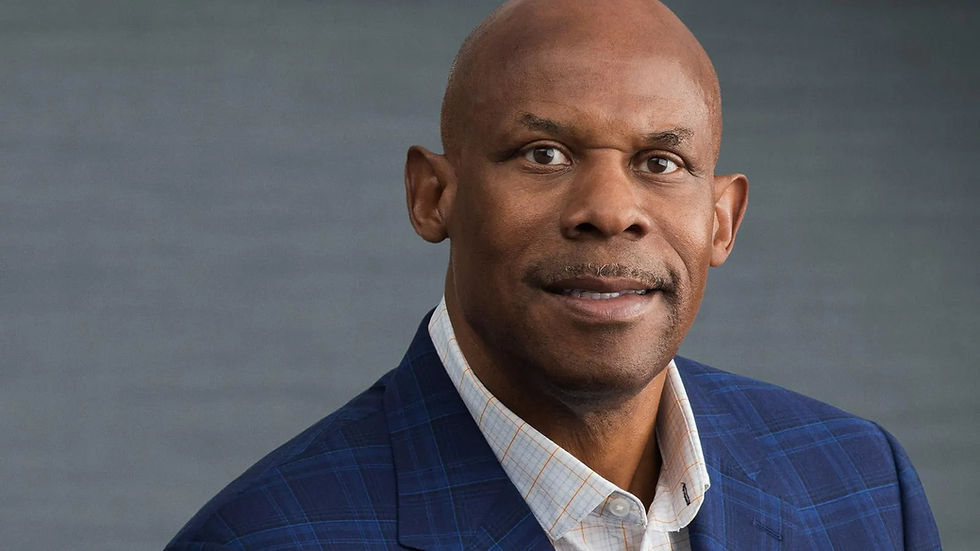
Thomas J. Burrell was the first black person to work in a Chicago advertising agency.
CHICAGO, IL -- The story of Black public relations is one of innovation, perseverance, and cultural influence. It is also a story that remains unfinished. From pioneering entrepreneurs who opened doors in corporate communications to today's multicultural strategists navigating a rapidly changing media landscape, Black PR professionals have consistently demonstrated that diverse perspectives are not merely beneficial—they are essential.
The Past: Building a Profession in the Face of Exclusion
The history of Black public relations emerged during a period when African Americans faced widespread discrimination and were largely excluded from mainstream corporate America. Because traditional institutions often ignored or misrepresented Black communities, Black newspapers, civic organizations, churches, and entrepreneurs developed their own communications networks.
One of the most significant figures in this history is Joseph Varney Baker. Born in 1908, Baker began his career as the first black journalist for the Philadephia Inquirer before founding Joseph V. Baker and Associates in New York in 1934, becoming the first African American to establish a public relations agency in the United States.
Baker recognized something that many corporations failed to understand: Black Americans represented a distinct and influential audience with unique perspectives, needs, and purchasing power. His agency specialized in public relations, advertising, and market research directed toward Black consumers. Long before terms such as "multicultural marketing" or "inclusive communications" entered the corporate vocabulary, Baker was advising organizations on how to communicate effectively with Black communities and improve their relationships with African American employees and customers.

Black public relations also grew through the efforts of journalists and publishers who served as unofficial publicists for Black institutions. Publications such as the Chicago Defender, Pittsburgh Courier, and Negro Digest documented the achievements, concerns, and aspirations of African Americans at a time when much of the mainstream press either ignored or distorted Black life.
If Joseph Varney Baker opened the door to Black public relations, Tom Burrell transformed the way corporate America communicated with Black consumers.
Born in Chicago in 1939, Burrell entered the advertising industry at a time when Black professionals were virtually nonexistent within major agencies. In 1971, he co-founded Burrell Communications Group, which would become one of the largest and most influential Black-owned advertising and communications firms in the world.
Burrell's most famous philosophy was straightforward:
"Black people are not dark-skinned white people."
This statement revolutionized corporate communications.
For decades, many companies simply adapted mainstream campaigns by placing Black faces into existing advertisements. Burrell argued that Black consumers possessed distinct cultural experiences, values, traditions, and aspirations that demanded authentic communication strategies.
His philosophy of "positive realism" called for portraying Black people as they actually lived—complex, successful, relatable, and aspirational. The campaigns developed by Burrell Communications for companies such as McDonald's, Coca-Cola, Toyota, and Procter & Gamble fundamentally changed how corporations approached multicultural communications.
Burrell demonstrated that cultural understanding was not merely socially responsible—it was strategically and financially smart. His work helped establish the idea that diversity and authenticity produce more effective communications and stronger relationships with consumers.
Despite these contributions, Black professionals remained severely underrepresented within the formal public relations industry for much of the twentieth century. Many worked without access to the same resources, opportunities, and professional networks available to their white counterparts.
The Present: Progress and Persistent Challenges
The modern public relations industry is considerably more diverse than it was during Joseph Baker's era. Black professionals now hold leadership positions at agencies, corporations, nonprofits, and media organizations throughout the country. Universities produce talented graduates from diverse backgrounds, and discussions about representation and inclusion have become increasingly common.
Yet significant challenges remain.
Numerous industry studies continue to show that African Americans are underrepresented in senior leadership positions across public relations and communications. Many Black professionals still describe experiences of being the only Black person—or one of very few—in strategic meetings and executive decision-making environments.
This lack of representation matters because public relations is fundamentally about understanding people.
Culture drives communication. Communities possess unique histories, values, language patterns, and lived experiences that influence how messages are received. Professionals who bring different perspectives to the table can identify opportunities, anticipate challenges, and recognize potential blind spots that homogeneous teams may overlook.
The rise of social media has further highlighted the importance of cultural competence. Trends increasingly emerge from diverse communities before spreading into the mainstream. Conversations about entertainment, fashion, sports, technology, and social issues often develop rapidly across digital platforms and influence broader consumer behavior.
Today's communicators must therefore possess more than technical skills. They need cultural intelligence, adaptability, and the ability to engage authentically with increasingly diverse audiences.
At the same time, Black-owned media organizations and independent creators have become powerful participants in the communications ecosystem. Podcasts, digital magazines, YouTube channels, newsletters, and social platforms have allowed Black communicators to build audiences directly, often bypassing traditional gatekeepers.
These developments have created opportunities that previous generations could scarcely imagine. A talented communicator with a smartphone and internet connection can now reach millions of people worldwide.
However, challenges involving recruitment, mentorship, and retention continue to affect the profession. Many young Black students remain unaware that public relations is a viable and rewarding career path. Others enter the industry but struggle to find mentors and advancement opportunities.
The result is an industry that has made progress but still has significant work to do.

Comments