


Why Are So Many Black People Broke?

Published October 2, 2026 at 7:15 AM EDT
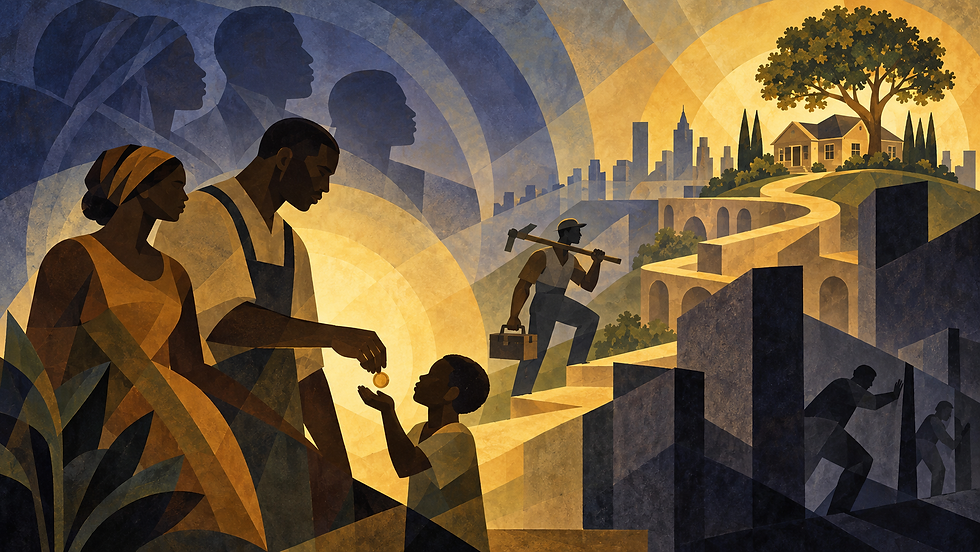
"A good man leaves an inheritance to his children's children." ~ Proverbs 13:22
CHICAGO, IL — Why do so many of us work hard yet struggle to build wealth? In the YouTube video “Why Most Black People are BROKE (and how to escape),” Moses Speaks offers a seven-step roadmap. We see value in his framework, but several claims need qualification.
His plan starts with emergency savings and high-interest debt reduction, then moves through employer retirement matches, IRAs, eligible health savings accounts, maximum 401(k) contributions and taxable brokerage investing. We agree that financial reserves, manageable debt and consistent investing provide a foundation.
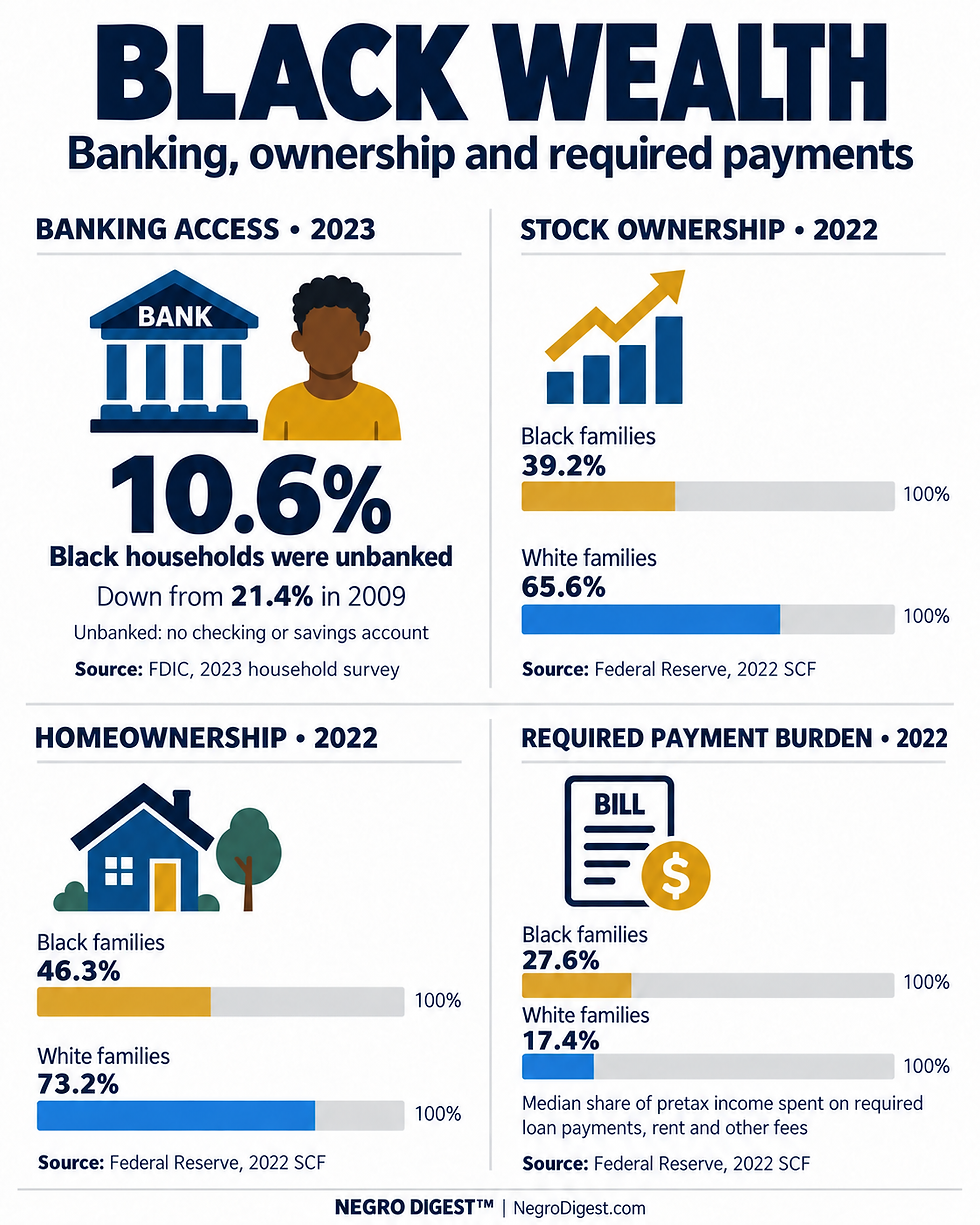
According to Federal Reserve data, 62% of Black adults lacked three months of emergency savings in 2025.
However, we question the rigid sequence. Waiting until we have several months of expenses saved and expensive debt eliminated before collecting an employer match could mean forfeiting valuable contributions. Our circumstances should determine how we balance those priorities.
We also challenge the suggestion that compounding has a $100,000 to $150,000 “floor.” Compounding begins with the first invested dollars. Larger balances make growth more noticeable; they do not activate a different mathematical process.
His 8% debt threshold is another guideline we would treat flexibly. Debt repayment offers predictable interest savings, while investment returns remain uncertain.
We also need more than account names. An IRA or brokerage account is a container; diversification, fees and investment choices shape its results. HSA benefits depend on eligibility and qualified withdrawals, while custodial accounts involve ownership and financial-aid considerations.
Black adults were over three times as likely to miss payments in the prior month. For credit cards, this means paying less than the minimum.
Our biggest concern is what comes before investing: having money left over. For those of us whose earnings barely cover necessities, a roadmap must address income growth, employment opportunities and major expenses.
We appreciate his acknowledgment of historical barriers, but individual financial habits alone cannot explain or resolve the racial wealth gap.
Generational wealth requires protection and transfer planning, including insurance, beneficiaries and estate arrangements. We view his blueprint as a useful starting framework—one that needs flexibility, an income strategy and safeguards to serve our families.
Related


Comments